

Every importer and exporter in Pakistan has faced it. A shipment arrives at Karachi Port or Port Qasim, documents are ready and yet the cargo sits held at customs with no release date in sight. Customs delays are not random. They follow predictable patterns and most of them are avoidable.
If you are a business owner, freight manager or supply chain professional, understanding why customs delays happen and how to stop them before they occur is the difference between a smooth supply chain and one that constantly surprises you with unbudgeted costs.
- What Is a Customs Delay in Pakistan?
- Incomplete or Incorrect Documentation
- Wrong HS Code Classification
- Misdeclared Cargo Value
- Unpaid or Miscalculated Customs Duties
- Physical Examination and Random Inspections
- Restricted Items Without the Required Permits
- WeBOC Filing Errors and GD Submission Issues
- How to Avoid Customs Delays in Pakistan
- Conclusion
- Frequently Asked Questions
What Is a Customs Delay in Pakistan?
A customs delay happens when a shipment is not released within the standard clearance window at a Pakistani port of entry.
The customs clearance process in Pakistan runs through WeBOC, the FBR's electronic platform for filing Goods Declarations and processing every import and export consignment. Once a GD is flagged, the shipment enters document verification, valuation review or physical examination. Each stage costs time and time at port costs money.
Demurrage at Karachi Port and Port Qasim is charged per container per day once free days expire. A week-long hold can wipe out your profit margin before the cargo even reaches your warehouse.
Most causes of customs clearance delays in Pakistan trace back to documentation gaps, classification errors or compliance oversights that could have been caught before departure.
Incomplete or Incorrect Documentation
This is the single biggest trigger for an import customs hold in Pakistan.
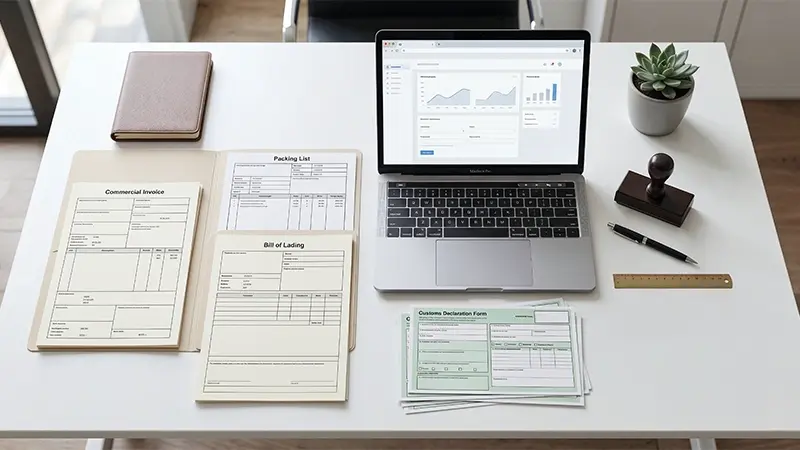
Customs requires a complete, consistent set of documents for every consignment. If anything is missing or does not match the actual shipment, the GD gets flagged and clearance stops.
Core documents required for import clearance:
- Bill of Lading (B/L) or Airway Bill (AWB)
- Commercial Invoice
- Packing List
- Certificate of Origin
- Import General Manifest (IGM)
- Goods Declaration (GD) filed on WeBOC
Customs documentation errors in Pakistan typically involve value mismatches between the invoice and GD, wrong consignee details or description discrepancies. Even a unit of measurement error between the packing list and invoice is enough to trigger a manual hold.
Start With a Pre-Shipment Documentation Audit
Run a pre-shipment documentation audit before cargo is loaded. A licensed Custom House Broker familiar with FBR customs clearance Pakistan requirements will catch these issues before they become a port problem.
Wrong HS Code Classification
Every traded product carries an HS code that determines the duty rate, permit requirements and compliance status in WeBOC. Getting it wrong is not a minor error.
HS code classification errors are among the more serious customs delays in Pakistan because they affect the duty calculation and compliance check simultaneously. A misclassified product can attract unexpected duty rates, trigger WeBOC's risk management system or reveal a missing permit. Under the Customs Act of 1969, penalties may also apply.
Verify Classification Before the GD Is Filed
Verify HS codes against the Pakistan Customs Tariff, which is maintained by FBR, before filing the GD. For products with multiple possible classifications, consult a licensed CHB before shipment. Getting this right upfront costs far less than fixing it at port.
Misdeclared Cargo Value
Pakistan Customs applies the GATT Valuation Method, requiring goods to be declared at their actual transaction value. When the GD value does not match the commercial invoice or the invoice price looks below market rate, customs initiates a valuation inquiry and holds the consignment.
Supplier invoices issued at a lower value than what was actually agreed create a misdeclared cargo value situation. WeBOC's risk profiling system is built to catch exactly this. Deliberate undervaluation can also trigger penalties under the Customs Act.
Maintain Accurate Cargo Valuation
Declare the true transaction value every time. Make sure supplier invoices accurately reflect the actual agreed price.
Unpaid or Miscalculated Customs Duties and Taxes
Customs duty payment delays are among the most avoidable reasons a shipment gets held at customs in Pakistan. Miscalculate the liability or miss the payment deadline and the cargo does not move.
Most import consignments are subject to:
- Customs Duty, based on HS code and origin
- Sales Tax, on CIF value plus customs duty
- Additional Customs Duty, on select categories
- Regulatory Duty, on restricted product categories
- Withholding Tax, higher for importers not on FBR's Active Taxpayer List
If your business is not on FBR's Active Taxpayer List, you face a higher withholding tax rate at clearance. Many businesses only discover this at the port.
Manage Customs Duty Payments Before Arrival
Calculate the full duty liability using the current Pakistan Customs Tariff before cargo arrives. A licensed CHB can prepare a duty estimate in advance so payment is ready before clearance begins.
Physical Examination and Random Inspections
WeBOC assigns every GD to an examination channel.
- Green channel: Cleared without physical examination
- Yellow channel: Document verification required
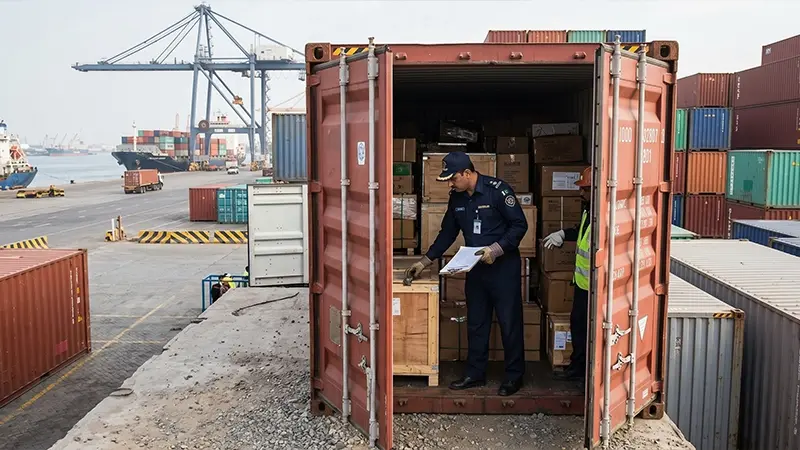
- Red channel: Full customs physical examination in Pakistan
Even with clean documentation and paid duties, a shipment can land on the Red channel based on commodity type or the importer's risk profile. A Red channel assignment means the container is opened, inspected and resealed before release.
Minimize Inspection-Related Delays
You cannot always control channel assignment. What you can control is your compliance record. Accurate declarations and timely payments over time improve your WeBOC risk profile and reduce Red channel frequency. This is also where partnering with an experienced freight forwarder focused on risk management makes a measurable difference.
Restricted Items Without the Required Permits
Some goods need a licence, permit or NOC from a regulatory body before they can be imported into Pakistan. When restricted goods arrive without those approvals, customs cannot release them. Getting permits after arrival is always slower than arranging them before shipment.
Import permit requirements in Pakistan cover:
- Pharmaceuticals and medical devices regulated by DRAP
- Certain chemicals and dual-use goods
- Food items requiring PSQCA certification
- Electronics with encryption or communication features
- Used machinery subject to pre-shipment inspection
Secure Permits Before Shipment
Check the Import Policy Order issued by the Ministry of Commerce before placing any import order. If your product is restricted, start the permit process early. Your CHB or freight forwarder should be flagging this at the pre-shipment stage automatically.
WeBOC Filing Errors and GD Submission Issues
Every error in a Goods Declaration generates a query. Every query holds the consignment until it is resolved.
Common WeBOC filing issues include:
- Filing the GD before the IGM is registered by the shipping agent
- Bill of lading discrepancies between GD and IGM data
- Incorrect NTN or importer registration details
- Mismatches between the GD and supporting commercial documents
Improve WeBOC Filing Accuracy
Always use a licensed CHB experienced in WeBOC customs system Pakistan operations. Confirm IGM registration before filing. Cross-check every field in the draft GD against the Bill of Lading, commercial invoice and packing list. An error caught before filing takes minutes. After filing, it takes days.
How to Avoid Customs Delays in Pakistan
Strong trade compliance in Pakistan means building a pre-clearance process, not reacting after the hold begins.
Here is what consistently works:
- Verify the HS code before placing the order
- Run a pre-shipment documentation audit across all documents
- Confirm IGM registration before filing the GD
- Secure all permits before the cargo departs
- Calculate full duty liability and arrange payment before arrival
- Declare the accurate transaction value every time
- Check your ATL status with FBR before shipping
- Work with a licensed CHB for GD filing and port coordination
A consistent compliance record improves your WeBOC risk profile over time. Pakistan imports clearance time is directly tied to how prepared a shipment is before it reaches port.
Conclusion
Customs delays in Pakistan are rarely random. Most shipment holds stem from documentation mistakes, HS code classification issues, valuation concerns, duty payment errors or missing regulatory approvals. Businesses that establish strong compliance procedures before cargo arrives can significantly reduce clearance times, avoid unnecessary demurrage costs and maintain a more predictable supply chain.
For importers seeking professional guidance on customs documentation, GD filing and port clearance procedures, Dynamic Worldwide Logistics Group (DWWLG) offers customs brokerage and logistics support to help navigate Pakistan's evolving import regulations efficiently.
Frequently Asked Questions
1. What is the most common cause of customs delays in Pakistan?
Incomplete or inconsistent documentation between the Goods Declaration, commercial invoice and Bill of Lading is the most frequent import customs hold trigger in Pakistan.
2. How long does customs clearance take in Pakistan?
Green channel consignments typically clear within one to two working days, while Yellow and Red channel consignments take longer based on the inspection or verification required.
3. What is WeBOC and how does it affect customs clearance?
WeBOC is FBR's platform for filing Goods Declarations and any data mismatch in the system directly causes a shipment to be held at customs in Pakistan.
4. Can an incorrect HS code cause a customs delay?
Yes, HS code classification errors trigger wrong duty calculations and compliance flags in WeBOC, holding the consignment until resolved.
5. What happens if my business is not on FBR's Active Taxpayer List?
You face a higher withholding tax rate at clearance, increasing your duty liability and risking customs duty payment delays if not accounted for before shipping.
6. How does a freight forwarder help avoid customs delays?
A licensed CHB handles GD filing, document audits, permit checks and port coordination, reducing the risk of your shipment being held at customs in Pakistan.