
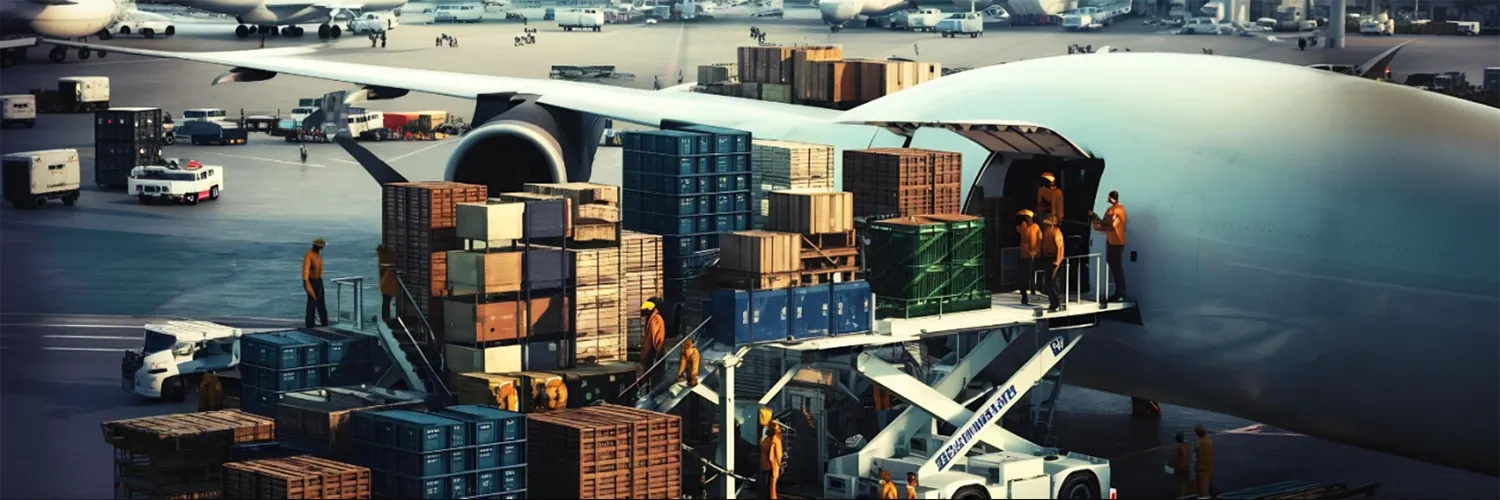
Rapid expansion brings complex logistics decisions. As companies scale across borders, shipping choices begin to influence profitability, speed, and customer trust. For many leaders, the question of air freight vs ocean freight becomes central to long-term growth planning. Each mode serves a distinct purpose. Understanding where they fit helps businesses avoid unnecessary costs while maintaining delivery reliability in competitive markets.
Understanding Air Freight
Air freight operates through scheduled cargo aircraft and commercial flights. Shipments move quickly between international airports, often reducing transit timelines from weeks to days. This method is commonly used when speed, predictability, and cargo value outweigh cost concerns. For fast-growing companies entering new markets, air freight often supports launch phases and urgent replenishment needs rather than routine distribution.
Air Freight Advantages
Air freight offers significant benefits for businesses focused on speed and precision.
Short transit windows help meet tight delivery commitments
Reliable scheduling reduces uncertainty in supply planning
Lower inventory holding requirements support cash flow efficiency
These advantages make air transport attractive for companies operating in high-margin or time-sensitive sectors.
Limitations of Air Freight
Despite its speed, air freight carries limitations that impact scalability. Costs remain significantly higher compared to sea transport. Weight and size restrictions limit shipment flexibility. Capacity constraints can also arise during peak seasons. For growing businesses with rising volumes, relying exclusively on air freight often becomes financially unsustainable.
Goods Best Suited for Air Freight
Air freight is most effective for shipments where timing and value are critical. These typically include high-value electronics, pharmaceuticals, perishables, and urgent spare parts. It is also commonly used for emergency inventory replenishment when delays could disrupt operations or customer commitments.
Understanding Ocean Freight
Ocean freight forms the backbone of global trade. It supports large-scale movement of goods through containerized shipping networks. For businesses focused on volume efficiency, sea transport enables predictable cost control across international supply chains. While transit times are longer, ocean freight provides unmatched capacity for sustained growth.
Advantages of Ocean Freight
Ocean freight offers strong economic advantages for expanding operations.
Lower per-unit shipping costs improve margin stability
Flexible container options support diverse cargo profiles
High capacity allows consistent volume scaling
These strengths make sea freight essential for businesses managing steady demand across multiple markets.
Limitations of Ocean Freight
Longer transit times require careful planning. Port congestion, weather disruptions, and schedule variability can affect delivery timelines. Inventory must be planned further in advance, which increases forecasting complexity. Businesses that lack strong inventory management systems may experience service delays if planning is insufficient.
Goods Best Suited for Ocean Freight
Ocean freight works best for bulk shipments, industrial materials, raw goods, and non-urgent retail inventory. It is also ideal for heavy machinery and large consignments where air transport is impractical or cost prohibitive.
Freight Decisions as an Internal Alignment Tool
Freight choices also influence how well internal teams align across departments. Sales forecasts, procurement schedules, and warehouse planning all depend on realistic transit expectations. When logistics teams select freight modes without cross-functional input, businesses often face stock imbalances or rushed decisions later. Aligning freight planning with commercial and operational teams creates consistency across planning cycles and reduces last-minute changes that disrupt execution.
Regulatory and Documentation Complexity in Freight Planning
Choosing a freight method affects more than how goods move. It also changes the type of paperwork and compliance steps required. Air and ocean freight follow different documentation and inspection processes. When businesses consider these requirements while planning shipments, they face fewer clearance delays and less administrative work. This becomes even more important as shipment volumes increase and regulatory scrutiny intensifies across international trade.
Choosing Between Air and Sea Freight for High-Growth Businesses
There is no universal answer when choosing between air and sea freight. Many high-growth businesses adopt blended strategies. Time-critical products move by air, while base inventory ships by sea. This approach stabilizes costs while maintaining responsiveness. Strategic use of international shipping methods allows companies to scale efficiently without locking themselves into a single transport model. The right balance supports expansion while protecting margins and service quality.
Conclusion
Air and ocean freight serve different strategic roles within global supply chains. Speed, cost, volume, and customer expectations all influence the right choice. As businesses grow, shipping decisions must evolve with operational complexity and market demands. Evaluating global freight shipping options through a strategic lens helps companies build resilient logistics frameworks. Informed decisions today create flexibility tomorrow and support sustainable expansion across international markets.
For businesses that need support with air freight, ocean freight, and end-to-end logistics planning, DWWLG provides practical solutions designed for growth. Get in touch to see how the right shipping approach can support your global operations.
FAQs
1. Which is faster, air freight or ocean freight?
Air freight is significantly faster and is typically used for urgent or time-sensitive shipments.
2. Is ocean freight always cheaper than air freight?
In most cases, ocean freight offers lower per-unit costs, especially for large or heavy shipments.
3. Can businesses use both air and ocean freight together?
Yes. Many high-growth businesses combine both methods to balance speed, cost, and inventory planning.
4. How does freight choice affect inventory management?
Shipping mode influences lead times, safety stock levels, and cash flow, making it a key part of inventory strategy.
5. What factors should guide freight selection for growing businesses?
Delivery timelines, shipment volume, product value, customer expectations, and long-term scalability should all be considered.